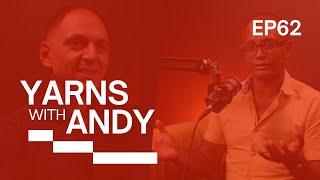
Daiman Otto
About This Episode
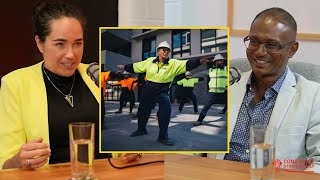
Daiman Otto from DK Otto Limited, an architect with a background in philosophy and history, joins Andy to explore why prefab and offsite manufacturing haven't yet transformed NZ construction despite decades of promise. The conversation centres on DFMA (Design for Manufacturing and Assembly), the idea that designers, manufacturers, and builders need to be joined up with the best possible information so the impacts of design choices on construction are understood upfront. Daiman argues that competitive procurement prevents DFMA by separating design from construction knowledge, and that many prefab failures stem from poor product-market fit rather than technical shortcomings. He shares his Construction Sector Accord work creating language schemas for offsite manufacturing, discusses mass timber as a consistent DFMA product, and frames the housing crisis as something that cannot be solved exclusively through offsite methods.
Key Topics Discussed
- DFMA (Design for Manufacturing and Assembly). Joining up designers, manufacturers, and builders with best possible information so you know the impacts of design choices on construction. Reduces "making do" waste (the 8th waste).
- Construction Sector Accord work. Research through Offsite NZ surveying approximately 20 companies, creating language schema for how to talk about offsite manufacturing consistently. Also carbon assessment on some products. The Accord was mothballed post-election, but Daiman's project survived.
- Product-market fit. Critical for prefab success. Many prefab failures (NZ, AU, UK) because companies focus on paying back capital expenditure for equipment rather than understanding their client and market. Keith Hay has product-market fit in transportable homes; missing middle typologies (3-4 level apartments) have very little success.
- Competitive procurement prevents DFMA. When you don't know the construction system at design stage, you're "designing for X" (the unknown), which equals waste straight away. QS budgets based on the last 5 projects include risk that eventuated, inflating costs.
- Housing crisis and prefab. Cannot be solved exclusively through offsite construction. It's a spectrum: find which parts, panels, volumes, and complete buildings make sense to do offsite. On-site construction already uses offsite elements (windows, pre-nailed trusses).
- Mass timber. CLT, glulam as consistent product well-suited for DFMA approaches.
- Kinder Parts. Concept mentioned as part of the broader offsite/DFMA discussion.
- Construction productivity. "In the toilet for decades." Over budget and over time is the norm. Customers feel relief, not joy, when renovations finish.
- Policy discontinuity. NZ has frequent elections disrupting projects and policy continuity (references Chris Penk episode).
Notable Quotes
- Daiman on DFMA: joining up designers, manufacturers, and builders with the best possible information.
- Daiman on competitive procurement: when you don't know the construction system at design stage, you're "designing for X", waste straight away.
- Daiman on the customer experience: customers feel relief, not joy, when renovations finish.
- On construction productivity: "in the toilet for decades."
Guest Background
Daiman Otto is the principal of DK Otto Limited. Trained as an architect at RMIT Melbourne, he has a background in philosophy and history. His career spans construction, property development, architecture, and construction innovation, with a particular focus on offsite manufacturing and prefab. He conducted research through Offsite NZ for the Construction Sector Accord.