About This Episode
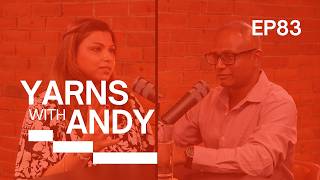
Dr Troy Cole, CEO of HIRA (Heavy Engineering Research Association), brings a unique research perspective. Australian-born (country kid), PhD in communications, career spanning government industry assistance, University of Wollongong commercial research, Blue Scope Steel open innovation, then HIRA. HIRA is an independent research association funded by a legislated levy ($20/ton of heavy engineering steel), nearly 50 years old with secure base funding for research. The key concept is Construction 4.0, applying Industry 4.0 (cyber-physical interactions, data as primary commodity) to construction. This emerged from fabricators saying they miss optimal design because by the time it reaches them, it's already finalized. She introduces material passports, digital records of every material's specifications, metallurgy, forces experienced, coatings, essential for circularity. Her innovation: thinking of material passports as "donor registries" rather than "material banks," because the receiving project also needs compatibility checking. She connects Maoritanga to construction through whakapapa, native timber traces back to Tane Mahuta (atua of forests), NZ steel from iron sands traces back to Ruaumoko (atua of earthquakes/volcanoes). This cultural framework makes NZ's built environment unique. On AI trust: building industry professionals at Digicom were "absolutely comfortable" with AI verification; structural engineers at SESOC conference said "no, we can't trust AI." Andy describes his multi-AI QA process, using different AIs (ChatGPT, Claude, Perplexity, DeepSeek) to check each other's work, exploiting different biases. Troy proposes an "AI traffic light system", green for high-confidence, orange for check-needed, red for too-risky.
Key Topics Discussed
- Construction 4.0. Industry 4.0 applied to construction (data, digital twins, IoT, BIM combined).
- HIRA. Independent research association, $20/ton steel levy, ~50 years old.
- Material passports. Digital records for circularity, "donor registry" not just "material bank."
- Circular design. Designing for future reuse, minimize welded connections, maximize bolted.
- Te Ao Maori in construction. Whakapapa of building materials (timber to Tane Mahuta, steel to Ruaumoko).
- AI trust gap. Builders trust AI, structural engineers don't.
- Multi-AI QA. Andy's process using different AI biases to cross-check each other.
- AI traffic light system. Green/orange/red for confidence levels.
- Workforce diversity. Maori increasingly important demographic for future workforce.
Notable Quotes
Material passports should be thought of as "donor registries" not just "material banks."
Builders at Digicom: comfortable with AI verification. Engineers at SESOC: "We can't trust AI."
Andy: "We get one AI to check the other AI's work", exploiting different biases.
Guest Background
Dr Troy Cole is CEO of HIRA (Heavy Engineering Research Association). Australian-born, PhD in communications. Career: government industry assistance -> University of Wollongong -> Blue Scope Steel -> HIRA board -> CEO.